
What is covered by household contents insurance?
Take a look in your cupboards, not just the large furniture. Clothes, dishes, bed linen and tools together make up a significant part of the household contents. There are also televisions, computers, books and sports equipment. These items are insured against the risks specified in your contract.
When it comes to replacement value insurance, what counts is what equivalent items cost new today. A used television is therefore not valued solely based on its used price. If a damaged item can be repaired, repairs within the agreed framework are an option instead. The sum insured, deductible and special limits remain relevant.
Fire and lightning
A fire can destroy furniture and damage the remaining household goods through smoke or extinguishing water. Such consequential damage can also be insured.
Overvoltage caused by lightning and pure scorching damage can be found separately in the tariff.
Burglary and robbery
If a laptop is stolen after an insured burglary, household contents insurance can step in. Vandalism after a break-in is also often part of protection.
A lost phone or simple theft is not automatically insured.
Tap water
A burst washing machine hose can damage the surrounding furniture. The key factor is whether the water leaked from an insured installation.
Rain, backwater and groundwater are not the same as tap water.
Storm and hail
If an insured storm damages the roof and rain penetrates and damages the contents, this may also constitute household contents damage.
For storms, the minimum wind force is 8. Check the definition and rules about open windows.
The insurance coverage applies to your home, including cellar, garage, and other attached spaces only to the terms agreed in your policy. Store valuable items carefully—cash, jewelry, and other high-value items may have separate coverage limits.
The closet is household goods. The wall behind it belongs to the building.
In the event of water or fire damage, both can be damaged. The Building insurance The owner’s policy does not replace protection for your personal belongings. It covers the building structure and fixed components listed in the contract.
Look at the two areas.
Hervorgehoben: Sofa, Fernseher, Lampe und Laptop als Beispiele für Hausrat.
Movable furnishings and personal belongings in the event of an insured peril.
The building and its contractually fixed components.
Simplified allocation. For fitted kitchens, tenant improvements, and certain cost items, the policy conditions apply.
Go to building insuranceAs a tenant: Even if the landlord insures the property, your personal belongings are not automatically covered. If you live in your own home, check both contracts. For fitted kitchens or self-installed fixtures, clarify coverage details in the policy.
And household contents insurance is not liability insurance. For legitimate claims by others against you Personal liability insurance responsible. This becomes relevant if leaking water also damages the apartment below you and you are liable for it.
How much would a complete restart have to cost?
The sum insured should match the replacement value of all your household contents. Go through this room by room. Individual purchases seem manageable; It is often not a complete household. A photo list and purchase receipts also help to prove inventory later.
Some tariffs use a fixed amount per square metre and offer a waiver of underinsurance deductions. The insurer determines which area counts and which amount is required. A formula is not an inventory, however. High-quality furnishings may be worth considerably more than the calculated flat-rate amount.

An insured sum that is too low also affects partial losses.
Assumed new value of all household contents: 60.000 euros. Insured damage: 12.000 Euro. No underinsurance waiver, deductible or other limitations.
Adjust the sum. The value of the contents and the claim amount remain the same.
- Insured share of the total value
- 50 %
- Calculated compensation
- 6.000 €
- Remaining loss
- 6.000 €
Invoice: 12.000 € × sum insured ÷ 60.000 €.
An effective underinsurance waiver can prevent this deduction. Compensation limits remain. The selection will not be saved or sent.
How much does household contents insurance cost?
A contribution without a place of residence, living space and scope of services says little. Insurers take into account, among other things, the address, the insured value, the use of the apartment and previous damage. Bicycle or elemental protection may change the price. A cheap tariff for a small household is therefore not a useful price benchmark for every apartment.
Compare the same details in your home contents insurance comparison. If an offer is significantly cheaper, first check the deductible, valuables, bicycle, and other natural hazards. Hotel and storage costs after an insured loss can also vary.
Reducing your monthly premium by a few euros can mean you’ll pay more out of pocket.
A deductible is only practical if you can pay it in the short term. Note whether it applies per damage and whether a different rule is provided for natural damage. Our overview of the Excess explains how to jointly assess premiums and your own risk.
In the case of gross negligence, it is worth taking a closer look: A waiver of a reduction in benefits due to the gross negligence causing damage does not automatically mean a waiver of the consequences of any breach of duty. Have the specific clause explained to you instead of relying on a catchphrase in comparison.
Your comparison
Compare the same apartment with the same coverage.
Define living space and add-ons, then compare premiums and terms side by side.
Bicycle, glass and natural damage: What else do you need?
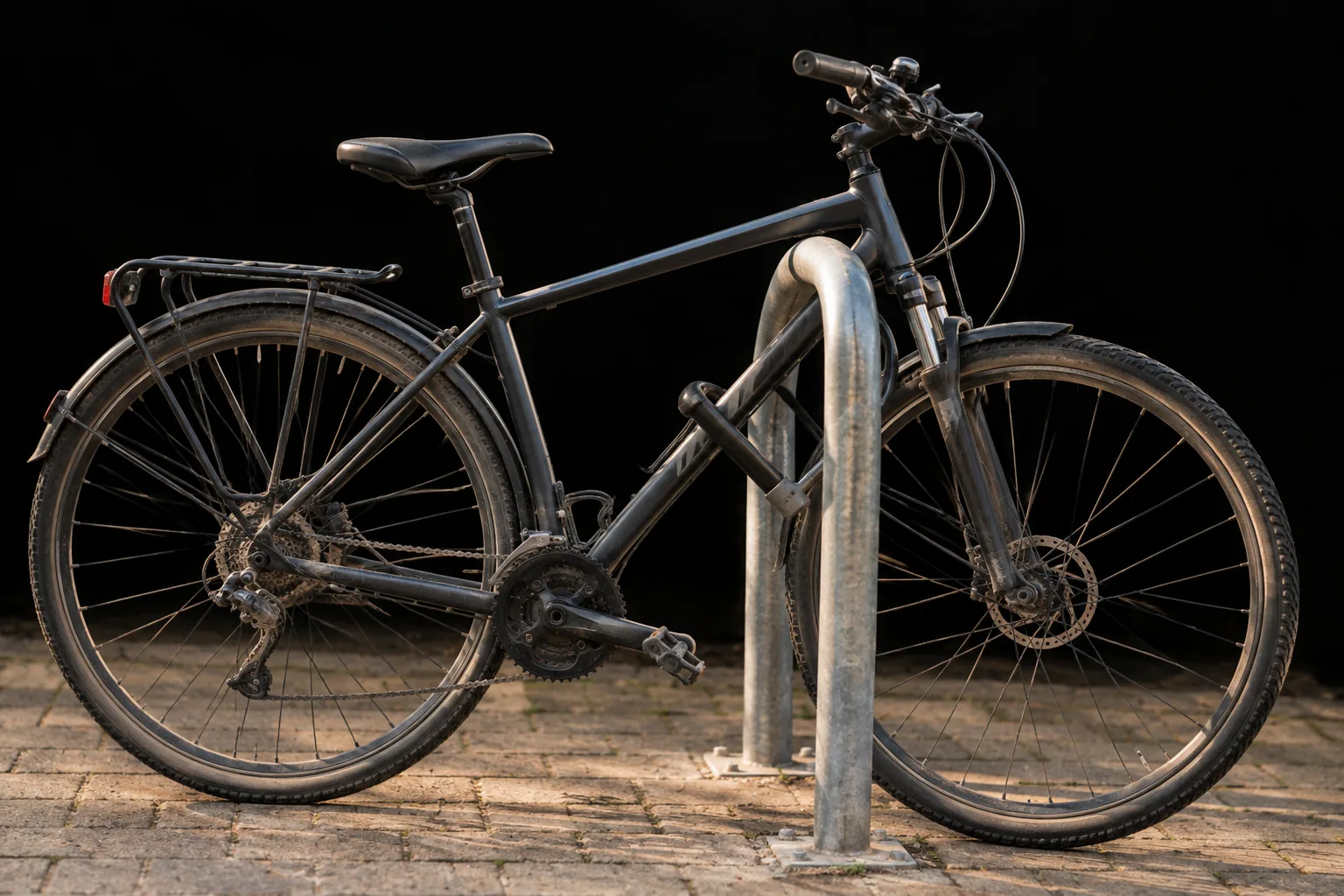
A locked bike outside the station is different from one stolen from a locked basement during a burglary. For casual theft, you’ll likely need extra coverage. Verify the total insurance value for all bikes, check lock requirements, and review any restrictions. A dedicated bike policy may be needed for expensive bikes.
Heavy rain can also damage the contents of your home.
Natural hazard insurance for household contents supplements protection against flooding and backwater, for example. It doesn't make every damp basement an insured event. Definitions, backflow protection, deductibles and, if necessary, waiting periods remain important.
If you own a house, read the section on Elemental damage to the residential building. The additional coverage agreed upon there does not automatically protect your household contents. If both areas are to be insured, this must be covered in both contracts.
Glass insurance covers agreed breakage damage to insured glass surfaces. It is not a necessary part of every household contents insurance policy. Consider whether you could pay for such damage yourself and which areas are actually included.
External cover, in turn, protects certain items temporarily outside the home, often while traveling. Duration, countries, risks and maximum amounts are set out in the tariff. A break-in to a hotel room and a wallet stolen without you noticing are therefore not necessarily treated the same way.
Rented apartments, shared apartments and moving change the contractual issues.
Whether you rent or own your property does not change the value of your things. In a shared apartment, however, it is not a given that a contract covers the household goods of all roommates. Describe the living situation completely and clarify who and what is insured.
When you move out of your parents' house, there may still be temporary protection through an existing external insurance policy, for example during training. This is not a general promise for your first apartment. The guide to first own apartment helps to sort existing contracts before signing a new one.
Report a move in good time. Some contracts cover both the old and new home simultaneously during a limited transition period. Note when the move begins, how long this phase lasts, and when the new property is insured. A smaller or larger apartment can change the premium and the required coverage amount.
After a claim: document it and report it quickly.
Don't put yourself in danger to save things or take photos. If the situation is safe, the next steps can be taken in an orderly manner. Don't wait until you've found every invoice to report it.
Help and security
If there is acute danger, call for help first. Limit further damage only if it can be done safely.
Record damage
Take photos of the overview and details, list damaged items and collect existing receipts.
Inform insurers
Report the damage immediately. In the event of a break-in or robbery, contact the police and follow their instructions.
coordinate measures
Clarify repairs, disposal, and necessary accommodation with the insurer. Document urgent safety measures.
If walls, permanently installed floors or pipes are affected, also inform the landlord, administration or building insurer. The Damage report for the residential building runs alongside the household contents report. A common event does not automatically make it a single insured event in a contract.
Häufige Fragen: Hausratversicherung
Does household contents insurance make sense?
It makes sense if you cannot replace your furnishings after major damage without financial difficulties. Calculate the current price of equivalent new items, not the price on a used market. For a very small household with sufficient reserves, the decision may be different. There is no general legal obligation to conclude.
What does household contents insurance pay in the event of water damage?
In the event of insured tap water damage, it can replace damaged furniture, clothing, and other insured items or pay for their repair. Flooding after heavy rain is a different risk and usually requires natural‑hazard coverage. The cause and the affected item determine whether household contents, building, or, if applicable, liability insurance is responsible.
What is the difference between household contents and liability?
Household contents insurance covers your own belongings in the event of agreed risks. Private liability, on the other hand, examines damage claims from others against you and takes over legitimate insured claims. If water leaks from your washing machine, different contracts can play a role for your furniture and damage to your neighbor. Liability must actually exist.
Is my bicycle or e-bike also insured?
A bicycle can be protected as household goods in the event of an insured burglary. For simple theft on the go, you usually need an additional bicycle clause. Pay attention to lock requirements, compensation limits and the definition of insured bicycles. An S-Pedelec that requires insurance is not the same as a normal Pedelec.
Is a fitted kitchen part of the household contents or the building?
This cannot be decided just by the word fitted kitchen. Ownership, type of installation and contractual conditions interact. A kitchen that is assembled as a standard can be classified differently than a kitchen that is custom-made for the building. In the case of rented rooms, it is also important who brought them in. Have the assignment clarified in writing before closing.
What does a waiver of underinsurance deductions mean?
If a waiver of underinsurance has been effectively agreed, the insurer waives any deduction due to underinsurance under the contractual conditions. This can include a correctly stated living space and a minimum insured amount. The agreed maximum compensation and special limits, for example for cash or jewelry, do not disappear.
Can I cancel my home contents insurance when moving?
Moving does not automatically end your contract. Notify your new address and any change in living space promptly. Whether this triggers a special cancellation right depends on your contract and the specific change. For regular cancellation, follow your policy’s term and notice period. Additional rights may apply after a premium increase or claim.
Your comparison
Compare with the value of your furnishings.
Enter the same apartment data into the comparison and also look at the limits for bicycles, valuables and other natural hazards.
Sources and Status
Content last updated: . General information, not individual insurance, legal or tax advice. The respective contract and the statutory requirements apply to acceptance and benefits. Sample calculations are not tariff offers.
- Consumer advice center: Coverage, sum insured, and obligations for household contents (opens in a new tab)
- Consumer advice center: Insurance protection against natural hazards (opens in a new tab)
- § 75 VVG: Underinsurance (opens in a new tab)